
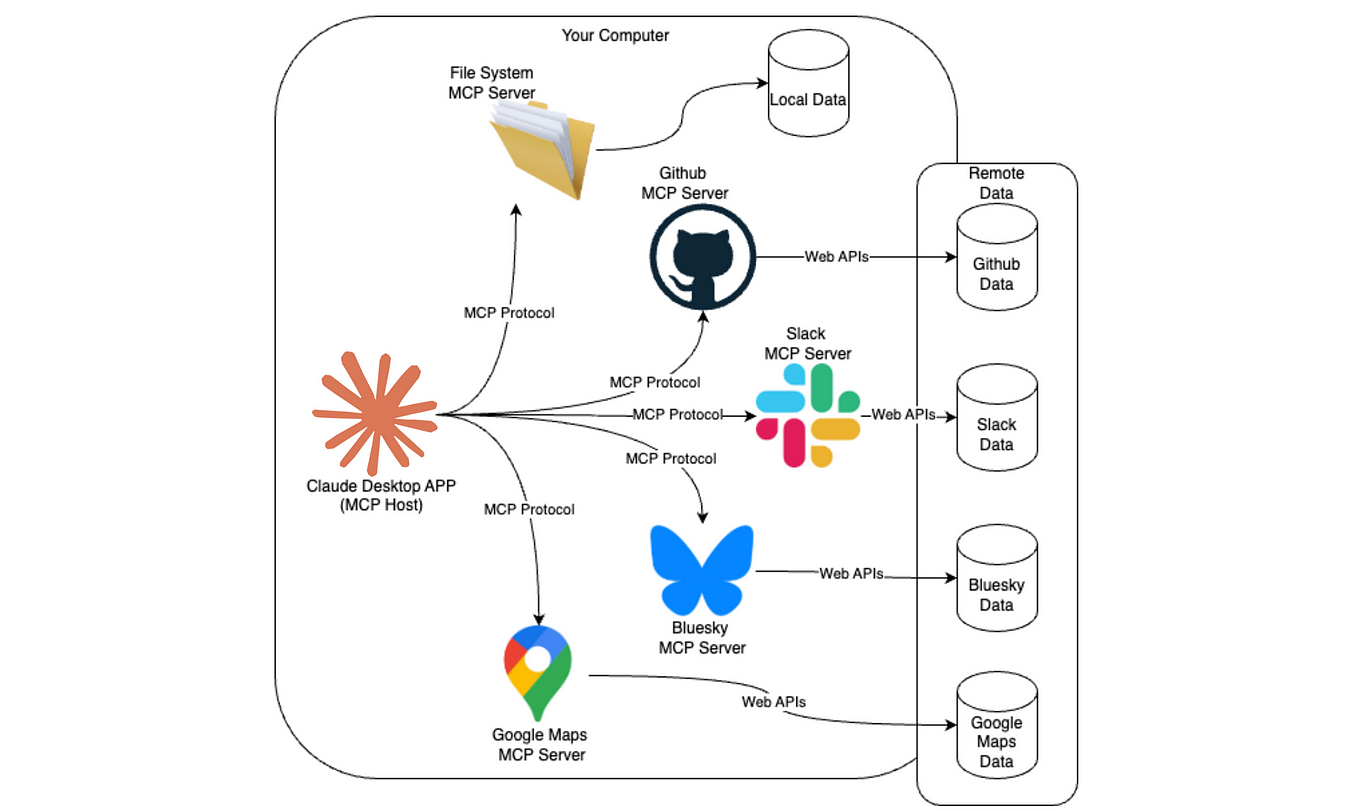
In the rapidly evolving landscape of artificial intelligence (AI), the seamless integration of large language models (LLMs) with diverse data sources and tools is paramount. Enter the Model Context Protocol (MCP), an open standard designed to bridge this integration gap, enabling AI applications to interact effortlessly with external resources. At the heart of this protocol lie MCP servers, pivotal components that expose resources, prompts, and tools to AI models, thereby enhancing their functionality and applicability.
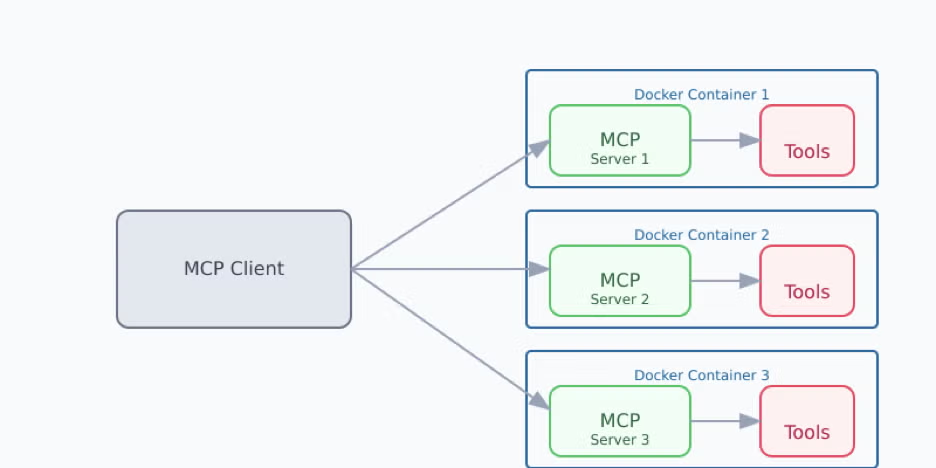
Understanding MCP Servers
An MCP server functions as a conduit between AI models and external data sources or tools. By adhering to the standardized guidelines set forth by MCP, these servers facilitate secure and efficient communication, allowing AI applications to access and utilize external information seamlessly.
Key components of MCP servers include:
Resources: Structured data or content that provides additional context to the AI model.
Prompts: Predefined templates or instructions that guide the model's interactions.
Tools: Executable functions that enable the model to perform specific actions or retrieve information.
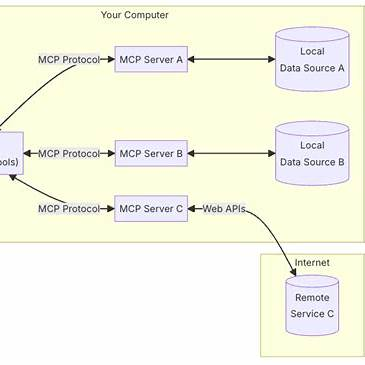
Practical Applications of MCP Servers
The versatility of MCP servers opens the door to a multitude of applications across various domains:
Enhanced AI Assistants: By connecting AI assistants to MCP servers, they can access up-to-date information and perform tasks beyond their initial training data. For instance, integrating an AI assistant with a weather forecasting tool via an MCP server allows it to provide real-time weather updates to users.
Knowledge Management Systems: Organizations can deploy MCP servers to grant AI models access to internal documentation, policies, and databases, facilitating efficient information retrieval and decision-making processes.
Customer Service Chatbots: MCP servers enable chatbots to interact with customer relationship management (CRM) systems, retrieving customer data to offer personalized support and solutions.
Content Creation Tools: Writers and marketers can leverage MCP servers to connect AI models with content repositories, style guides, and analytics tools, streamlining the content creation process.
Advantages of Implementing MCP Servers
Adopting MCP servers within AI ecosystems offers several notable benefits:
Standardization: MCP provides a uniform protocol for integrating AI models with external tools and data sources, reducing the complexity and time required for custom integrations.
Scalability: Organizations can effortlessly scale their AI applications by adding new MCP servers as needed, without overhauling existing systems.
Security: MCP servers can enforce access controls and permissions, ensuring that AI models only retrieve authorized data, thereby maintaining data integrity and compliance.
Flexibility: The protocol's design allows for seamless switching between different AI models and vendors, providing organizations with the agility to adapt to evolving technological landscapes.
Real-World Implementations
Several industry leaders have embraced MCP servers to enhance their AI capabilities:
Anthropic: Demonstrated how MCP could connect AI assistants directly to platforms like GitHub, enabling tasks such as repository creation and pull request management through simple integrations.
Microsoft's Copilot Studio: Integrated MCP to allow makers to connect directly to existing knowledge servers and APIs, streamlining the development of AI agents and reducing maintenance efforts.
Replit, Codeium, and Sourcegraph: These coding platforms have adopted MCP to build AI agents capable of performing tasks on behalf of users, showcasing the protocol's versatility in software development environments.
Getting Started with MCP Servers
For developers and organizations looking to harness the power of MCP servers:
Explore Official Resources: Visit the Model Context Protocol's official website for comprehensive documentation, tutorials, and example implementations.
Utilize SDKs: Leverage available SDKs in languages such as Python, TypeScript, and Java to expedite the development process.
Engage with the Community: Participate in discussions and seek support through platforms like GitHub to stay updated on best practices and advancements within the MCP ecosystem.
Conclusion
MCP servers represent a significant advancement in the integration of AI models with external data sources and tools. By standardizing interactions and providing a secure, scalable framework, MCP empowers developers and organizations to build more capable, context-aware AI applications. As the AI landscape continues to evolve, embracing protocols like MCP will be instrumental in unlocking the full potential of artificial intelligence.